
The evolution of gambling A journey through history and culture
The Origins of Gambling
The history of gambling can be traced back to ancient civilizations, where it emerged as a form of entertainment and a way to gain favor from the gods. Archaeological evidence suggests that the earliest instances of gambling occurred in China around 2300 BC, with the use of rudimentary betting games involving tiles. Similarly, ancient Egyptians engaged in various gambling activities, incorporating games of chance into their rituals, which reflected societal values and beliefs. Today, a popular destination for this activity is Captain Spins Casino, where players can find an extensive collection of games, including notable options like slots and live dealers, highlighted on https://captainspinscasino-nz.com/.
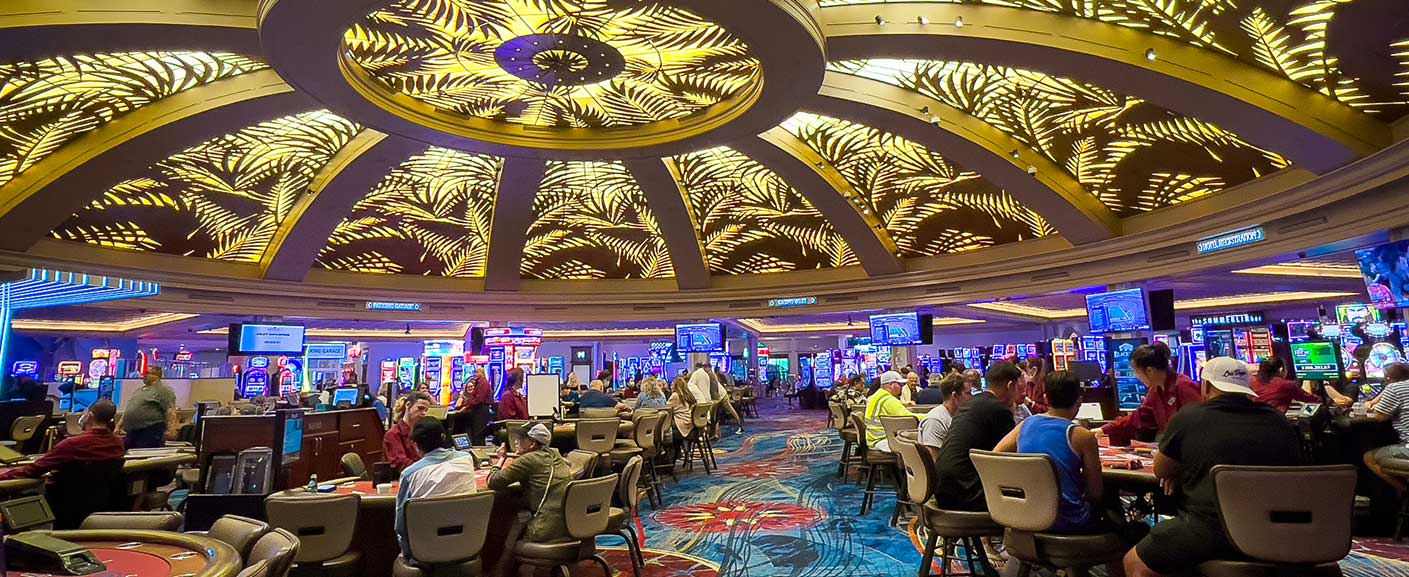
In ancient Rome, gambling took on a more structured form, with the development of games like dice and betting on gladiatorial contests. Roman culture heavily embraced gambling, leading to its widespread acceptance among both the elite and the common populace. This period marked a pivotal point in the evolution of gambling as it transitioned from informal pastimes to organized events, foreshadowing the commercialized gambling we see today.
The Middle Ages brought about significant changes in gambling practices across Europe. Although gambling faced scrutiny from the church, it continued to thrive, particularly in the courts of nobility. Card games began to gain popularity, and the first recorded casino-like establishments emerged, laying the groundwork for future gambling venues. This era was crucial in shaping the social and cultural perceptions of gambling, making it an integral part of leisure activities.
The Rise of Modern Gambling
The 17th and 18th centuries marked a significant turning point for gambling, as the first official gambling houses were established. These venues offered a variety of games, including roulette and baccarat, attracting a diverse clientele. The allure of gambling expanded beyond aristocratic circles, reaching the burgeoning middle class. This period also saw the establishment of lotteries, which were used to fund public projects, further legitimizing gambling as a societal institution.
As the industrial revolution unfolded, advancements in technology influenced gambling. The invention of the slot machine in the late 19th century revolutionized the industry by introducing a new, engaging form of entertainment that required minimal skill. This marked the beginning of gambling’s transition into the entertainment realm, appealing to a broader audience and setting the stage for the casino boom of the 20th century.
The 20th century witnessed the emergence of Las Vegas as the gambling capital of the world. Legalized gambling attracted tourists from around the globe, leading to the development of extravagant casinos that offered luxurious amenities alongside traditional gaming options. This trend was not limited to the United States, as other nations began to recognize the economic benefits of legalized gambling, resulting in a worldwide gambling culture that continues to flourish today.
The Impact of Technology on Gambling
The rise of the internet in the late 20th century transformed the gambling landscape significantly. Online casinos emerged, offering players the convenience of gambling from the comfort of their homes. The introduction of digital platforms enabled players to access a vast array of games, including slots, poker, and live dealer options, revolutionizing how people engage with gambling. This shift democratized the gambling experience, making it more accessible to a global audience.
Mobile technology further advanced the online gambling industry, allowing players to gamble on smartphones and tablets. This convenience led to a surge in mobile gambling applications, catering to the needs of a tech-savvy generation. The integration of features like live betting and in-play wagering enhanced the user experience, creating a dynamic environment where players could engage in real-time betting, thus blurring the lines between traditional and online gambling.
Moreover, the emergence of cryptocurrencies as a payment method has also left a mark on the gambling industry. Cryptocurrencies like Bitcoin have introduced a new layer of security and anonymity for online gamblers, which appeals to a demographic concerned with privacy. As gambling continues to adapt to technological advancements, it is likely that we will see even more innovative developments that shape its future.
The Cultural Perception of Gambling
Throughout history, the perception of gambling has fluctuated, often reflecting broader societal values and norms. In some cultures, gambling is celebrated as a form of entertainment and social engagement, while in others, it is viewed with suspicion or outright condemnation. For instance, in many Asian cultures, gambling is often linked to prosperity and good fortune, leading to events like the Lunar New Year celebrations featuring games of chance.
Conversely, some societies have enacted stringent regulations against gambling, viewing it as a vice that could lead to moral decay. This dichotomy is evident in the varying laws and regulations governing gambling in different countries. The tension between embracing gambling as a legitimate form of entertainment and recognizing the potential for addiction and financial ruin continues to shape public discourse around this activity.
Additionally, the representation of gambling in popular culture plays a significant role in shaping perceptions. Films, literature, and television often portray gambling as glamorous, thrilling, and sometimes perilous. These representations can influence societal attitudes, glorifying the excitement of winning while minimizing the risks involved. As gambling continues to evolve, the cultural narratives surrounding it will undoubtedly adapt, reflecting changing values and attitudes toward this age-old practice.

Captain Spins Casino: A Modern Gambling Experience
In the contemporary landscape of online gambling, Captain Spins Casino stands out as a premier platform tailored to meet the needs of modern players. With over 2,600 games available, including popular slots and live dealer options, the casino offers a diverse gaming experience that appeals to both novices and seasoned gamblers. The user-friendly interface ensures seamless navigation, allowing players to find their favorite games effortlessly.
Moreover, Captain Spins Casino prioritizes customer satisfaction by providing enticing welcome bonuses, including a 100% match on deposits up to NZ$300. This not only enhances the gaming experience but also encourages players to explore the vast selection of games available. The platform also offers promotions such as free spins, adding an extra layer of excitement to the gaming journey.
Safety and security are paramount at Captain Spins, where players can enjoy a secure gaming experience with reliable banking options. The casino supports New Zealand dollar transactions, facilitating easy deposits and quick withdrawals. With 24/7 customer support, players can feel confident knowing assistance is available whenever needed. Overall, Captain Spins Casino embodies the evolution of gambling, blending traditional gaming elements with modern technology to create a remarkable online experience.